
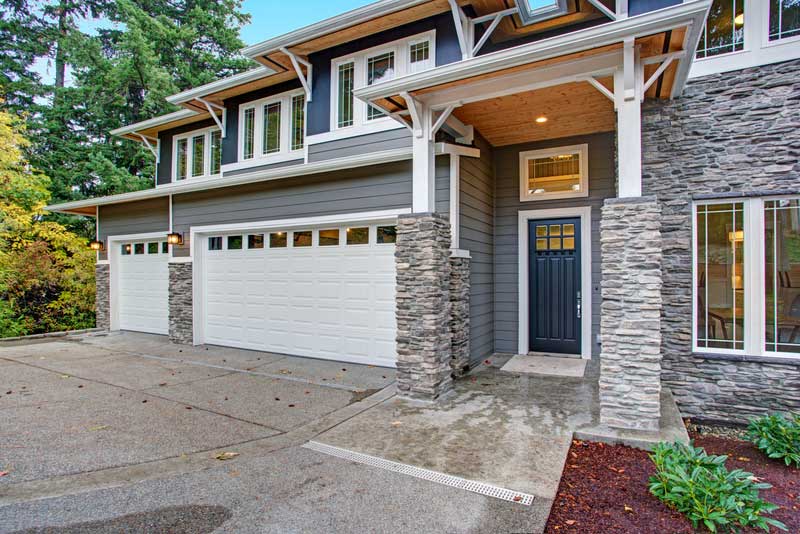
Why Choosing the Right Siding Matters…Especially in Colorado
In Colorado, selecting the right siding for your home is more than a matter of aesthetics—it is a critical decision that affects safety, durability, and compliance with local building regulations. With the state’s unique climate conditions and increasing wildfire risks, homeowners must carefully evaluate their siding choices to ensure long-term protection and peace of mind.
Colorado’s Climate Demands Durable Materials
Colorado experiences a wide range of weather conditions, including intense sun exposure, hailstorms, heavy snow, and rapid temperature fluctuations. These conditions can cause traditional siding materials to deteriorate more quickly than expected. Durable, weather-resistant siding options are better suited to withstand these challenges while maintaining structural integrity and appearance.
Wildfire Risk and Colorado Building Codes
One of the most important considerations for homeowners in Colorado is wildfire risk. Many areas across the state fall within Wildland-Urban Interface (WUI) zones. Colorado has adopted building codes based on the International Wildland-Urban Interface Code (IWUIC) and the International Residential Code (IRC), which include provisions for fire-resistant construction.
Local jurisdictions such as Colorado Springs and El Paso County may enforce specific WUI requirements, including:
– Use of ignition-resistant or non-combustible siding materials
– Restrictions on combustible materials near the exterior walls
– Requirements for ember-resistant construction techniques
Siding plays a major role in a home’s ability to resist ignition during a wildfire. Some materials can melt or ignite quickly when exposed to embers or radiant heat. In contrast, non-combustible or fire-resistant materials can provide significantly greater protection.
Failure to comply with wildfire building codes can lead to serious consequences, including:
– Increased risk of property damage or loss
– Higher insurance premiums or denial of coverage
– Challenges when selling the home due to non-compliance
Why Homeowners Should Consider Replacing Their Siding
Even if your home was built before current wildfire codes were implemented, upgrading your siding can be a smart investment. Replacing outdated or non-compliant siding improves not only safety but also the overall value and insurability of your property.
Key benefits of upgrading siding include:
– Enhanced fire resistance and improved safety
– Compliance with current local building and wildfire codes
– Increased home value and curb appeal
– Better energy efficiency and insulation
– Reduced maintenance and longer lifespan
Insurance and Financial Considerations
Insurance companies are increasingly evaluating wildfire risk when determining coverage and premiums. Homes with fire-resistant siding are often viewed more favorably, which can result in lower insurance costs or better coverage options. In some cases, homeowners may even qualify for discounts or incentives when upgrading to compliant materials.
Work with a Trusted Local Expert
Choosing the right siding—and ensuring it meets Colorado’s strict building and wildfire codes—can be complex. That’s why it’s important to work with a knowledgeable, local contractor who understands the unique demands of Colorado homes.
Native Roofing and Solar specializes in helping homeowners select and install siding that is both durable and code-compliant. Their team understands local regulations, WUI requirements, and the best materials for Colorado’s climate.
If you are considering replacing your siding, upgrading for wildfire protection, or simply want an expert evaluation, contact Native Roofing and Solar today. They can help you make informed decisions that protect your home, improve its value, and ensure compliance with current codes.
Conclusion
Choosing the correct siding in Colorado is not just about appearance—it is about protecting your home, your investment, and your family. With the growing impact of wildfires and evolving building codes, homeowners should carefully assess their current siding and consider upgrading to safer, more durable, and compliant materials.
By making informed decisions today, you can ensure your home remains resilient, valuable, and protected for years to come.